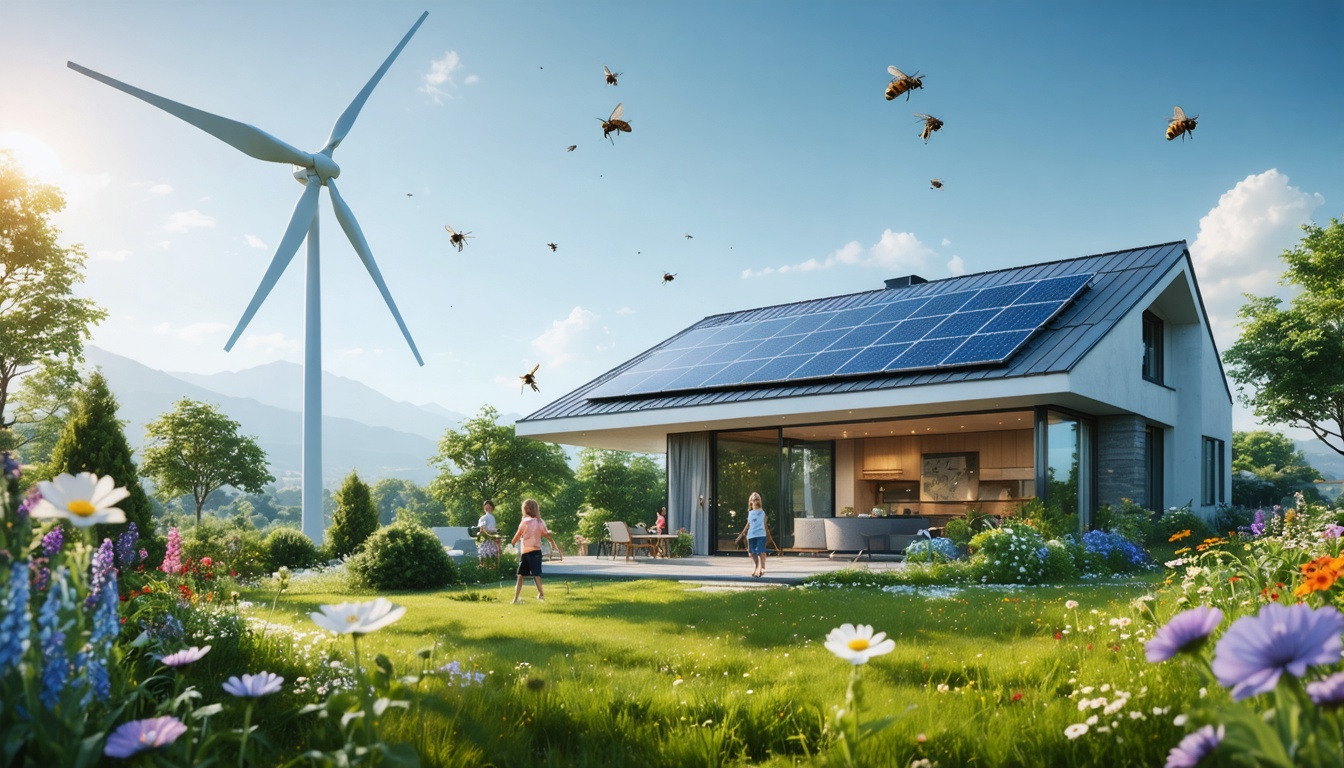
Choosing renewable energy for residential use represents a significant step towards environmental sustainability. The use of solar panels and wind turbines reduces greenhouse gas emissions, which are a major contributor to climate change. By decreasing reliance on fossil fuels, homeowners can help conserve finite natural resources such as coal, oil, and natural gas. Additionally, the implementation of renewable energy systems can have positive effects on local economies. These technologies often require local installation and maintenance services, which can create jobs. They also encourage investment in community infrastructure and innovation. Moreover, transitioning to renewable energy can have broader implications for public health and biodiversity. Reduced air pollution from decreased fossil fuel use leads to better air quality, which in turn can lower health risks associated with respiratory diseases. As for biodiversity, sustainable energy production methods have a lower impact on ecosystems compared to traditional energy extraction and burning practices. In summary, adopting renewable energy sources at home has the potential to create tangible environmental and economic benefits while contributing positively to community health and ecological integrity.
Renewable energy refers to power obtained from natural sources that are continually replenished, such as sunlight, wind, water, biomass, and geothermal heat.
The deployment of renewable energy technologies, including wind and solar power, is associated with a notable decrease in greenhouse gas emissions and other air pollutants. This reduction can contribute to enhancements in air quality.
In comparison, fossil fuels generate pollutants and carbon dioxide during combustion, leading to greater environmental degradation. Renewable energy systems generally produce fewer adverse environmental effects.
The shift towards renewable energy can thereby support the health of ecosystems and may also provide economic benefits, such as the creation of jobs in the renewable energy industry.
Adopting renewable energy allows both individuals and organizations to actively participate in efforts to combat climate change and its associated impacts while fostering the conservation of natural resources.
Recognizing the consequences of energy choices is essential for promoting sustainable development and decreasing reliance on imported fossil fuels.
Various renewable energy sources have been identified as effective strategies for reducing environmental impact in residential settings, each exhibiting distinct characteristics and advantages.
Solar power converts sunlight into electricity, which can enhance air quality by reducing dependence on fossil fuels. Additionally, it has the potential to lower energy costs for homeowners over time through decreased utility bills.
Wind energy, frequently implemented alongside solar power initiatives, contributes to environmental sustainability and may stimulate local economies by creating jobs and necessitating investments in infrastructure.
Hydropower is recognized for its ability to generate a consistent and sustainable electricity supply; however, it is critical to manage its environmental implications carefully to protect aquatic ecosystems.
Geothermal energy offers a reliable source of power with low carbon dioxide emissions, positioning it as a viable option for minimizing greenhouse gas outputs.
Biomass energy utilizes organic waste materials, which can facilitate habitat restoration efforts while reducing reliance on fossil fuels.
Adopting renewable energy options is a crucial step toward transitioning to cleaner energy systems. This shift can lead to reductions in greenhouse gas emissions, lower dependence on imported fuels, the creation of jobs, and an overall improvement in air quality.
Research increasingly supports the efficacy of renewable energy sources in tackling environmental challenges. However, implementing these technologies necessitates a balanced assessment of the advantages and limitations associated with each type to ensure favorable outcomes for both communities and ecosystems.
The type of electricity used to power homes has a significant impact on environmental outcomes. Choosing renewable energy sources, such as wind and solar power, is associated with a reduction in greenhouse gas emissions. Unlike fossil fuels, these sources generate electricity without combustion, which helps decrease carbon dioxide emissions and reduce air pollution.
The transition to renewable energy can also enhance air quality and alleviate ecological damage often linked to fossil fuel extraction and usage.
In areas like New Jersey, homeowners can explore options by contacting Solar Companies in Jersey City to reduce dependence on fossil fuels while addressing the issues related to climate change. Various studies support these initiatives, highlighting the advantages of renewable energy in fostering environmental health and promoting long-term sustainability.
Such evidence underscores the importance of shifting towards cleaner energy sources in efforts to mitigate climate-related issues.
Selecting clean energy sources for residential use effectively reduces airborne pollutants. Wind and solar power utilize natural resources to generate electricity, resulting in significantly lower emissions compared to fossil fuel combustion. This shift to renewable energy sources aids in reducing the release of carbon dioxide and other greenhouse gases, which can enhance air quality and potentially diminish respiratory health issues.
The environmental and economic benefits of adopting renewable energy are evident. By transitioning to these energy sources, individuals contribute to the development of healthier environments and the mitigation of climate change effects.
Moreover, increased utilization of renewable energy decreases reliance on imported fossil fuels, positively affecting local economies, including those in regions such as New Jersey.
Additionally, improved air quality can lead to lower healthcare costs, as cleaner air is connected to a decrease in pollution-related health problems.
Overall, the transition to renewable energy holds significant implications for both public health and environmental sustainability.
The selection of solar panels or wind energy for residential use plays a significant role in the conservation of natural resources, as these renewable energy sources offer an alternative to conventional energy production methods that frequently deplete resources. By opting for renewable energy, households can reduce their reliance on fossil fuels and energy sourced from imports, which can lead to reduced greenhouse gas emissions and improved air quality.
In addition to environmental benefits, the use of renewable energy technologies also has implications for water conservation. Traditional fossil fuel energy generation often requires large quantities of water for processes such as cooling and extraction. In contrast, renewable energy systems tend to have lower water demands, which can make them a more sustainable option in terms of water resource management.
Moreover, the transition to renewable energy can have economic implications. It has the potential to generate employment opportunities in the areas of installation and maintenance of renewable energy infrastructure. Additionally, utilizing these energy sources may offer long-term financial savings on energy expenses.
Decisions regarding energy sources can significantly affect air quality, carbon dioxide emissions, as well as the overall impact on natural ecosystems and climate change.
To summarize, the shift towards renewable energy represents a methodical approach to aligning environmental sustainability with economic growth, grounded in factual considerations about resource conservation, water usage, and job creation.
Choosing clean energy sources for residential use contributes to wildlife protection and biodiversity preservation through several mechanisms. The use of renewable energy sources, such as solar and wind power, reduces reliance on fossil fuels that are known to emit greenhouse gases, which are associated with climate change and air pollution. A decrease in emissions can lead to improved air quality, which may positively impact public health by reducing the prevalence of respiratory issues.
Additionally, transitioning to renewable energy is beneficial for local ecosystems. By lowering the demand for fossil fuels, the impacts associated with fossil fuel extraction and production—such as land degradation, habitat destruction, and pollution—can be mitigated. Protecting natural habitats is vital for maintaining biodiversity, as these environments support a variety of species by providing essential resources and shelter.
Participation in business initiatives that focus on renewable energy generation can align with broader conservation objectives. Supporting clean energy development can promote sustainable practices that reduce habitat destruction and pollution associated with conventional energy production.
Understanding the environmental implications of energy choices is essential for making informed decisions that promote wildlife conservation and sustainable resource management.
To enhance energy independence, homeowners may consider investing in renewable energy technologies, such as solar panels or wind turbines. This transition can reduce reliance on imported fossil fuels, which contribute to greenhouse gas emissions. By generating electricity from renewable sources, individuals can help decrease carbon dioxide levels, thereby positively impacting air quality.
Adopting renewable energy also addresses environmental concerns and promotes the conservation of natural resources by minimizing the release of pollutants into ecosystems. In New Jersey, for instance, the increasing adoption of renewable energy sources is positively impacting local economies through job creation related to the installation and maintenance of these systems, while simultaneously supporting the development of sustainable energy initiatives.
However, it is essential to recognize that the shift to renewable energy entails several considerations. Initial investment costs can be significant, and homeowners must also navigate local regulatory frameworks and assess whether existing infrastructure can support the integration of new energy sources.
Sustainable energy integration involves both individual commitment and collective efforts within communities to achieve broader energy objectives.
Economic incentives are a key factor influencing the adoption of clean energy among homeowners, as the financial benefits become increasingly clear. Utilizing renewable energy sources such as solar, wind, and hydroelectric power can result in decreased electricity costs over time, leading to significant long-term savings.
The transition from fossil fuels to renewable energy not only reduces dependence on limited resources but also contributes to improvements in air quality and a decrease in greenhouse gas emissions.
Additionally, the shift towards sustainable energy sources supports the conservation of natural resources and the safeguarding of ecosystems. The movement away from conventional energy production is often associated with job creation in the clean energy sector, which can bolster local economies, as demonstrated by developments in states like New Jersey.
Moreover, the implementation of clean energy can have beneficial health effects. Enhanced air quality may lead to fewer respiratory problems and alleviate some health impacts related to climate change.
In summary, the transition to renewable energy addresses economic efficiency, environmental sustainability, and health issues, providing a balanced solution without relying on speculative assertions.
Transitioning households to renewable energy offers both economic and environmental benefits. By choosing plans utilizing wind and solar power, individuals can help decrease greenhouse gas emissions from fossil fuel combustion. This transition has the potential to improve air quality in regions such as New Jersey, which may reduce the incidence of respiratory issues among residents.
Moreover, renewable energy adoption is associated with community development. Local renewable energy initiatives can lead to job creation and economic stability through the installation, maintenance, and management of renewable energy systems.
Additionally, leveraging local renewable resources can decrease reliance on imported fuels, thereby improving energy security and resilience in communities.
The environmental impact of renewable energy use extends beyond air quality improvement. It can help preserve natural habitats by reducing the demand for resource extraction commonly linked to fossil fuels.
In summary, the shift to renewable energy supports public health by promoting cleaner air, while also fostering economic development and environmental sustainability in communities.
Investing in solar energy for residential properties presents both financial and environmental considerations. Homeowners implementing solar power can reduce their electricity costs and lessen their reliance on imported fossil fuels. Solar energy systems capture sunlight, which can lead to improvements in air quality and facilitate a reduction in greenhouse gas emissions.
Research in states like New Jersey demonstrates that solar energy installations may increase property values. The economic advantages of adopting solar technology are increasingly acknowledged, highlighting potential long-term savings and positive contributions to local economies.
From an environmental standpoint, adopting solar energy can help conserve natural habitats by lessening the effects associated with fossil fuel extraction. Furthermore, reducing carbon dioxide emissions and air pollutants from conventional energy sources contributes positively to mitigating climate change.
It is essential to acknowledge that transitioning to solar energy involves evaluating several key factors, including installation costs, system efficiency, and compliance with local regulations.
Homeowners considering this option should understand the environmental implications of solar energy, as this knowledge is vital for promoting sustainable energy solutions and may contribute to improved public health by reducing air pollution-related respiratory issues.
Choosing renewable energy for residential use can lead to several environmental benefits. Firstly, it plays a significant role in reducing the carbon footprint, as renewable sources, such as solar, wind, and hydroelectric power, produce little to no greenhouse gas emissions compared to fossil fuels. This reduction in emissions is critical for mitigating climate change and its associated impacts on the environment. Additionally, utilizing renewable energy contributes to the conservation of natural resources. For instance, harnessing solar or wind energy reduces reliance on non-renewable resources like coal and natural gas, which are finite and associated with environmental degradation during extraction and use. Residential implementation of renewable energy fosters local economic growth by generating jobs in the renewable sector. The construction, installation, and maintenance of renewable energy systems typically require a skilled workforce, thereby supporting local employment opportunities. Furthermore, renewable energy production often leads to improved air quality. Conventional energy sources, particularly those that burn fossil fuels, release pollutants that can lead to respiratory issues and other health problems. In contrast, renewable energy sources help in decreasing the overall emissions of harmful substances into the atmosphere. Homeowners may also experience financial benefits from investing in renewable energy. Over time, the reduced utility bills associated with renewable energy sources can lead to significant savings. Moreover, various incentives and rebates for renewable energy installations may further decrease initial costs. In conclusion, transitioning to renewable energy can yield substantial environmental advantages, contribute to economic stability, and offer financial benefits for households. These factors collectively support the idea that investing in renewable energy is a practical approach for individuals seeking to contribute to a more sustainable and resilient energy future.